Aluminum Foundry is explained in this practical guide for manufacturers.
Exactly How Recycled Metals Power Lasting Production in Today's Aluminum Foundries
The aluminum industry is undertaking a substantial makeover driven by the fostering of recycled metals. This shift not only enhances power performance but also lessens environmental impact. Innovations in recycling innovation are crucial in this process, guaranteeing the high quality of recycled aluminum fulfills market criteria. As the demand for sustainable production surges, it raises concerns about the future of aluminum factories and their function in a circular economic climate. What are the ramifications for production methods?
The Value of Reusing in the Aluminum Market
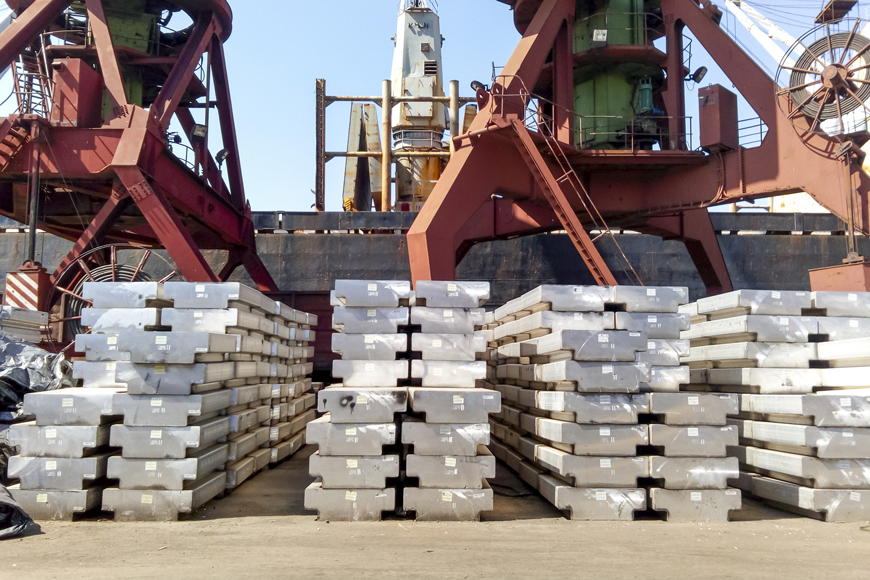
Reusing plays an important duty in the aluminum sector, greatly minimizing the ecological impact related to steel manufacturing. The process of reusing light weight aluminum calls for substantially less energy contrasted to primary manufacturing, utilizing as much as 95% much less power and leading to reduced greenhouse gas exhausts. This power effectiveness not just preserves natural sources however additionally lessens the ecological footprint of aluminum production. Reusing aluminum adds to a round economic climate, where products are continuously repurposed, therefore minimizing the demand for virgin materials. The aluminum industry gain from the high worth of recycled aluminum, which is often favored due to its high quality and decreased environmental expense. As more customers and sectors go with recycled items, the demand for recycled aluminum proceeds to grow, advertising lasting methods. On the whole, recycling is not just an economical remedy; it is an essential part in promoting environmental sustainability and reinforcing the aluminum market's future
Innovations in Recycling Modern Technology
As the aluminum industry advances, developments in reusing technology are changing the way recycled metals are refined and utilized. Advanced arranging strategies, such as automated optical sorting, now make it possible for shops to successfully identify between numerous light weight aluminum qualities, guaranteeing greater purity in recycled materials. Additionally, the execution of hydrometallurgical procedures enables the removal of aluminum from complicated waste streams, boosting general recovery rates.
The integration of fabricated intelligence and machine understanding in recycling procedures improves decision-making and operational efficiency. These innovations enhance the reusing process by predicting material flows and recognizing prospective ineffectiveness.
Moreover, the growth of closed-loop recycling systems minimizes product loss and supports continual usage of light weight aluminum products. Developments in chemical reusing approaches are likewise arising, enabling the recuperation of aluminum from products that were previously considered non-recyclable. Collectively, these improvements are setting new criteria for sustainability in aluminum foundries, advertising a round economic climate.
Energy Effectiveness and Environmental Impact
While the light weight aluminum foundry industry makes strides in recycling modern technology, it likewise encounters pressing challenges pertaining to energy efficiency and environmental effect. The production of aluminum from recycled materials significantly decreases energy usage contrasted to key light weight aluminum manufacturing, yet many shops still count on energy-intensive procedures. These procedures contribute to greenhouse gas emissions and environmental destruction, highlighting the demand for improved practices.
Implementing energy-efficient modern technologies, such as innovative melting and spreading approaches, can reduce these impacts. Furthermore, investing and optimizing logistics in renewable energy sources are essential for decreasing the carbon impact linked with light weight aluminum production. The shift to lasting methods not just benefits the atmosphere but can also enhance the economic viability of shops, attracting environmentally conscious consumers and financiers. As the market advances, focusing on power performance and reducing environmental injury will be essential for the lasting sustainability of light weight aluminum shops in an affordable market.
Top Quality Guarantee in Recycled Light Weight Aluminum Production
Securing high-quality requirements find in recycled aluminum manufacturing is crucial for keeping the integrity of the end product. This process begins with the cautious selection of scrap materials, where contaminants such as plastics, coverings, and various other metals are meticulously gotten go to these guys rid of. Advanced arranging modern technologies, such as automated systems and manual inspections, play a critical role in attaining this goal.
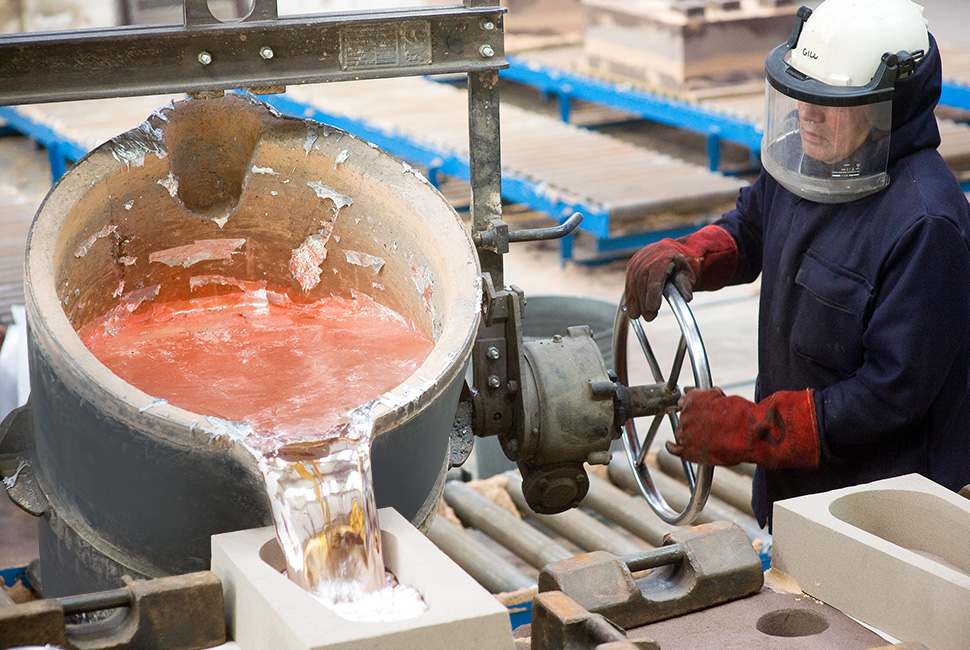
When the scrap is regarded appropriate, rigorous melting and casting processes are utilized, closely kept track of to maintain temperature and composition (aluminum casting). Quality assurance procedures involve regular tasting and testing of the molten light weight aluminum to detect contaminations and guarantee it satisfies sector specs
Qualified top quality administration systems are carried out, enabling factories to track manufacturing metrics and support conformity with global requirements. By prioritizing high quality assurance throughout the manufacturing cycle, aluminum foundries can create high-performance products that not just fulfill consumer expectations but also add to lasting production methods.
Future Patterns in Lasting Light Weight Aluminum Production
The future of sustainable light weight aluminum manufacturing is poised for considerable makeover, driven by innovations in technology and increasing ecological awareness. Sector leaders are exploring advanced recycling methods that improve product healing and reduce waste. The combination of artificial intelligence my sources and artificial intelligence in foundries is expected to optimize production procedures, ensuring reliable use sources while decreasing carbon discharges.
In addition, using renewable resource resources, such as solar and wind, is prepared for to end up being a typical technique in aluminum production, more lowering the market's carbon impact. Cooperation amongst producers, governments, and research institutions is critical to creating sustainable techniques and establishing regulatory frameworks that promote environment-friendly procedures.
Regularly Asked Inquiries
What Kinds of Metals Are Generally Recycled Alongside Light Weight Aluminum?
Generally reused steels along with aluminum include copper, steel, brass, and zinc. These materials are commonly gathered from various sources, consisting of construction sites, automotive elements, and consumer items, adding to a circular economic climate and sustainable source management.
Exactly How Is Recycled Light Weight Aluminum Different From Key Light Weight Aluminum?
Recycled light weight aluminum varies from primary light weight aluminum in its manufacturing process; it requires significantly much less energy and emits less greenhouse gases. Furthermore, recycled light weight aluminum maintains comparable residential or commercial properties and high quality, making it a lasting choice for different applications.
What Are the Economic Perks of Utilizing Recycled Metals?
Using recycled metals significantly lowers production prices, reduces power usage, and lowers waste disposal costs. This approach also cultivates job creation in recycling industries, contributing to a much more lasting economic climate while boosting source performance throughout different fields.
Exactly How Does Recycled Aluminum Effect Item Design?
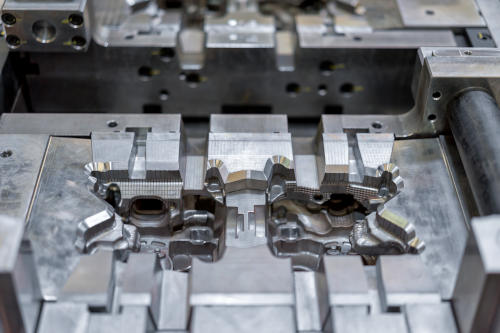
Recycled aluminum influences item style by permitting better versatility in shapes and dimensions, minimizing weight, and encouraging innovative techniques. Designers can incorporate sustainability seamlessly, enhancing aesthetics while minimizing environmental impact and resource consumption.
Exist Particular Laws for Recycled Aluminum Manufacturing?
Yes, details policies regulate recycled light weight aluminum manufacturing, focusing on environmental requirements, safety and security methods, and recycling procedures. Conformity assurances that producers reduce emissions, promote sustainable methods, and preserve item top quality throughout the light weight aluminum lifecycle.
The aluminum market advantages from the high value of recycled light weight aluminum, which is frequently favored due to its quality and decreased ecological price. As more consumers and industries decide for recycled items, the need for recycled aluminum proceeds to expand, promoting sustainable practices. The manufacturing of light weight aluminum from recycled materials significantly decreases energy intake contrasted to key aluminum production, yet many factories still rely on energy-intensive procedures. Recycled light weight aluminum varies from primary light weight aluminum in its production procedure; it calls for considerably much less power and produces fewer greenhouse gases. Yes, particular laws govern recycled aluminum production, concentrating on environmental criteria, safety and security protocols, and recycling processes.